


-300x300.jpg)


-250x250.jpg "ASTARIJA MEGATRON - Professional massage chair")


-250x250.jpg "XSTO TR250T - Stair climber for wheelchair")
-250x250.jpg "XSTO M4 - Power mobility chair / Mobility robot")
-250x250.jpg "XSTO TR140C - Stair climbing wheelchair")








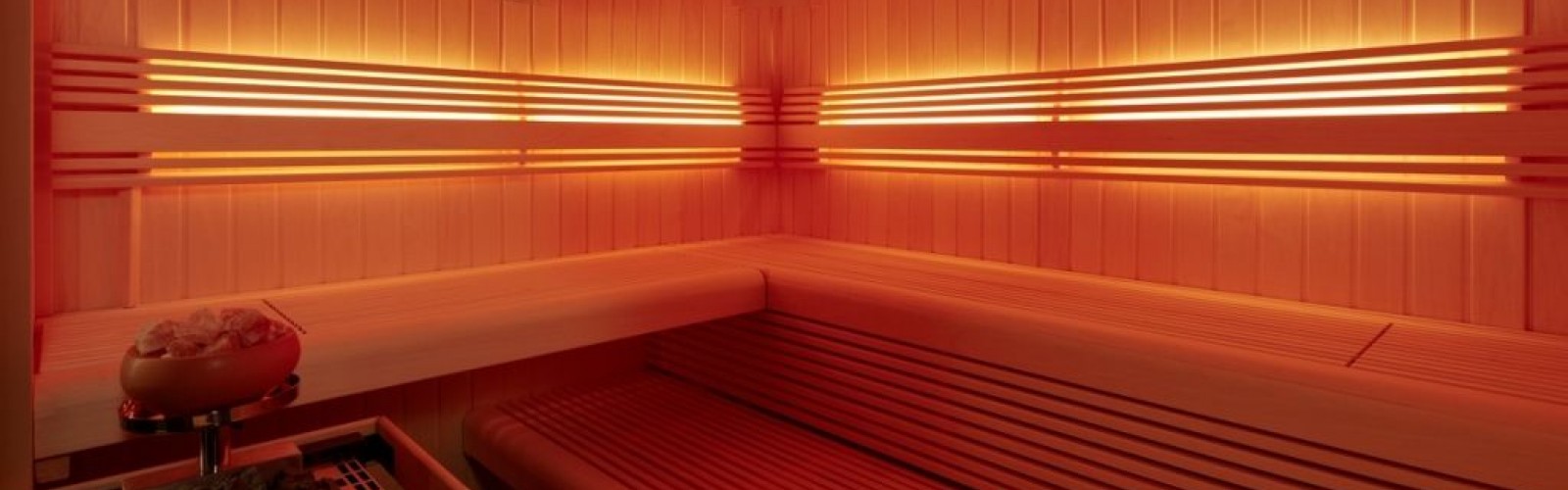
An infrared sauna (IR sauna) directly heats your body with infrared rays rather than heating the air inside the cabin. Below, we explain how it works, its benefits, infrared sauna disadvantages, and practical tips for choosing the best home infrared sauna.
How does an infrared sauna work?
An infrared sauna operates using infrared light emitted by special heaters (IR panels or bulbs). These heaters generate warmth in the form of infrared rays, similar to those produced by the sun – but without harmful UV radiation. Unlike a traditional Finnish sauna, where hot air heats the body from the outside, an infrared sauna works in reverse: infrared waves penetrate deep into body tissue, approximately 3–4 cm below the skin, heating the body from the inside out. This process promotes sweating, improves blood circulation, and activates the body’s natural detoxification mechanisms.
The air temperature in an infrared sauna is lower (37–65 °C / 99–149°F), making the experience more pleasant and suitable even for those who are sensitive to high heat. Infrared heaters start working almost instantly, which means there’s no need to preheat the cabin. Most modern models use a combination of carbon and halogen full spectrum heaters, ensuring even heat distribution and the full range of benefits across all three infrared wavelengths (NIR, MIR, FIR).
Difference between infrared and traditional (Finnish) sauna
- Heat source: Infrared saunas heat your body directly, while Finnish saunas heat the air and optionally add steam.
- Temperature: IR ~37–65 °C (99–149°F); Finnish up to 90 °C (194°F).
- Experience: The air in an IR sauna feels milder, but sweating is highly effective.
- Warm-up time: IR heaters work instantly; traditional stoves require preheating.
Read more about the health effects of saunas in our article The Health Benefits of Sauna Use.

Infrared sauna benefits
1) Detoxification and improved circulation
Intense sweating supports the removal of metabolic waste, while the heat boosts blood flow and warms up muscles.
2) Stress relief and relaxation
The soothing heat helps relax muscles, reduces tension, and enhances overall well-being after a session.
3) Pain and muscle tension relief
Deep heat therapy may reduce stiffness in muscles and joints caused by exertion or prolonged sitting.
4) Healthier skin and weight balance
Regular infrared sauna sessions promote skin circulation and sweating, which help eliminate impurities and improve appearance. It’s important to note that you don’t lose fat in a sauna, only water, which your body later replaces. Infrared saunas don’t directly cause weight loss but can support a healthier lifestyle and body balance through relaxation and stress reduction.
Infrared sauna disadvantages and possible risks
Infrared sauna disadvantages are mostly related to improper use or poor-quality equipment, not to the technology itself. Keep the following in mind:
- Dehydration and overheating: Staying too long without hydration may cause dizziness or headaches.
- Specific health conditions: Individuals with heart disease, low blood pressure, pregnant women, or those taking medication should consult a doctor before use.
- EMF levels and materials: Cheaper saunas may emit higher electromagnetic fields or release vapors from adhesives; choose certified low-EMF models made with safe materials.
Is an infrared sauna harmful?
When used correctly, an infrared sauna is not harmful. Risks can be minimized by limiting session duration, staying hydrated, and investing in a high-quality unit. This provides a balanced answer to questions about the safety and disadvantages of infrared saunas.
.jpg)
How to use an infrared sauna properly
- Start with 10–15 minutes at a lower temperature and gradually increase to 25–35 minutes.
- Drink at least 200–300 ml (7–10 oz) of water before and after each session, and avoid alcohol.
- After your session, rest for 5–10 minutes and take a warm or cool shower if desired.
- Listen to your body – if you feel dizzy or uncomfortable, stop immediately.
What to consider when buying a home infrared sauna
Heaters and Full Spectrum technology
Full Spectrum infrared technology combines three types of infrared light – NIR (near), MIR (mid), and FIR (far) – providing complete therapeutic benefits. NIR rays penetrate deepest to support cell regeneration, MIR promotes detoxification in the skin’s middle layers, and FIR provides soothing warmth that relaxes the body and relieves stress. Thanks to this combination, your body warms evenly and quickly, and Full Spectrum heaters deliver maximum infrared therapy benefits within minutes.
- Cabin materials: Choose solid wood and non-toxic finishes; avoid synthetic adhesives that release fumes when heated.
- Low EMF levels: Select saunas with low or zero EMF output for added safety.
- Size and layout: Choose the size based on available space and number of users – bigger isn’t always better.
- Warranty and support: Check the warranty, return policy, and local service options.
- Heater size and placement: Properly positioned heaters should target key body areas (back, legs, front) to ensure even heat distribution and maximum efficiency.
Looking for your own home infrared sauna?
Explore our selection of JJSPA infrared saunas and find the perfect model for your home and wellness routine.
Frequently Asked Questions (FAQ)
What is an infrared sauna?
An IR sauna uses infrared heaters that warm the body directly instead of heating the air. This allows for lower temperatures and more comfortable sweating.
Are there any infrared sauna disadvantages?
The most common issues relate to dehydration, long sessions, or poor-quality materials. Staying hydrated, moderating your sessions, and choosing a quality sauna minimize risks.
Is an infrared sauna safe?
When used properly, yes. If you have specific medical conditions, consult your doctor before use.
Which is better: infrared or Finnish sauna?
It depends on your goals. Infrared saunas provide gentle air and deep heat, while Finnish saunas offer higher temperatures and traditional steam experiences.
How long should a session last?
Start with 10–15 minutes and gradually extend to 25–35 minutes depending on how you feel.


-435x300h.jpg "Apartment with a Jacuzzi as an Advantage for Guests and Property Owners")
-435x300h.png "Sauna for Two as a Perfect Wellness Experience for Couples")
-435x300h.png "The Most Common Mistakes When Buying a Hot Tub and How to Avoid Them")


-435x300h.png "Why use the sauna in summer?")

Leave a Comment